NICI Grantee Spotlight: Comprehensive Community Solutions, Inc.
Jan 13, 2026
Comprehensive Community Solutions, Inc. is a grassroots organization established in 1992 in Rockford to serve young people transitioning out of the criminal justice system. Since then, CCS has grown to provide workforce development programs that lead participants to sustainable wages, meaningful community engagement and affordable housing.
With support from Nicor Illinois Community Investment (NICI) and its Impact Grant program, the organization is scaling its successful youth programs, RockForWork and Alive & Free, to serve adults. The two programs help individuals build resilience, achieve personal goals, secure meaningful employment and build sustainable futures. NICI spoke to CCS Executive Director/CEO William Chatman and Director of Workforce Development Claudia Consuelos to learn more about their approach and vision for the future of Rockford.
This interview has been edited for length and clarity.
1. Please tell us about CCS’s approach to workforce development and economic mobility.
William: At Comprehensive Community Solutions, we believe that for a community to thrive, there has to be a pathway to enter in the workforce for all individuals. And those pathways have to be diverse. There was a huge push some time ago to two-year or four-year colleges. And that push kind of narrowed the field to make people think that the only way to have a successful career or be able to make a sustainable wage was to go through college.
What we've learned since then is that some people learn with their hands. The traditional classroom doesn”t work for everybody. So part of Comprehensive Community Solutions’ approach to workforce development is making sure that there are opportunities for people to learn the hands-on trades that can help them boost their wages. We wanted to make sure that we were:
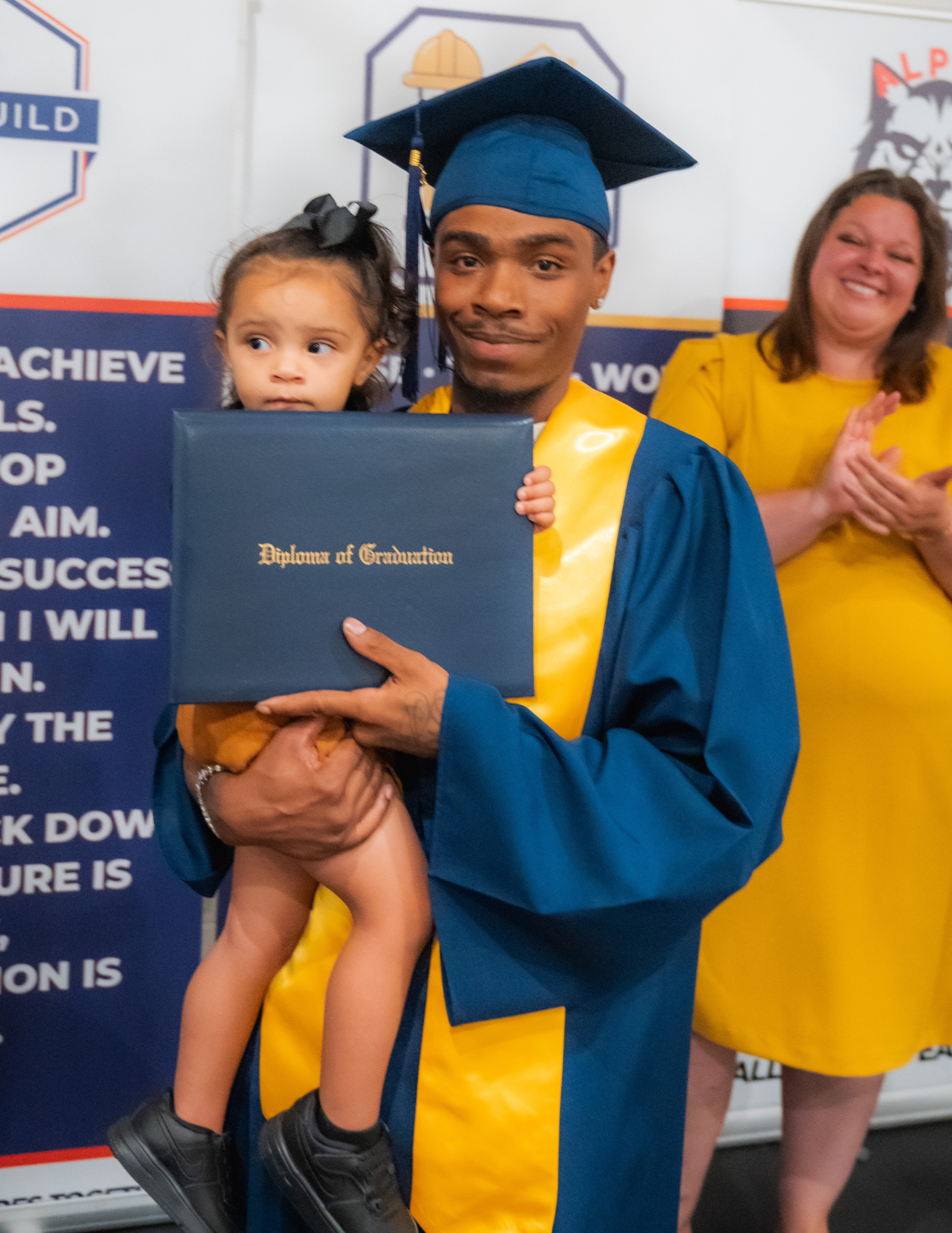
Catching young people who were not successful in the traditional educational system and giving them opportunities to still be assets to their community
Making sure that individuals who were successful with high school and graduated but didn't want to go to college still had the means to gain credentials and valuable work skills.
While there's a huge focus on utilizing the trades and trade credentials to teach employability skills, we're not just limited to the local trades. We also work with individuals to build career plans to go into the fields that they want to go into. And because of the impact and relationships they have with staff, many of the young people who come through our programs want to go into some type of people work. I think we're up to 7 young people who have gone through our programs and now work for us.
2. You’re expanding your RockForWork and Alive & Free programs to serve adults. Can you tell us more about what it looks like to translate these programs for adult participants?
William: One of the things that became very evident to us throughout the work that we've done is that many times we'd have parents come in and be like, “What's available for me while my child goes through your workforce programs?” So, not being able to provide those services to the parents has always been one of those things we felt we could improve. And [the NICI Impact Grant] allowed us to do that: when a young person comes through with their parents to sign up for our programs, those parents have an opportunity to sign up as well and achieve goals alongside their young person.
Claudia: Sometimes we have individuals who have barriers [to program participation and completion], but with the expansion of our Alive & Free team — thanks to NICI — we can do referrals. So then those referrals are able to dive deeper: is it a lack of communication? Or maybe their phone just got turned off, or maybe they just got kicked out, and now they don't have that stable housing to be able to then provide stable attendance to the program. So it's that additional layer that means we're able to do wraparound services to set everybody up for success.
3. How else will NICI’s Impact Grant empower your organization’s work?
William: I've been working in this field for about 23-24 years. The population of young people that we work with, they tend to come with a lot of trauma. And we've always done what we could with what we had to provide mental health services. NICI funding allows us to assess any individual who comes into the organization for workforce development with mental health assessments. Those [assessments] are used to put together a plan for the person, which could be helping them with their anger management, their communication skills, whatever skills they need to gain. They also meet with a case counselor no less than once a month, do group sessions and socio-emotional workshops.
To have funding to make sure that we're dealing with the whole person to get them ready for the workforce—it sets us up for success as an organization. It sets the families up for success as they enter the workforce, and it sets our community up for success. We're acknowledging that in order for a person to be successful, in the workforce and in our community, mental health is a huge factor.
Claudia: One of the reasons that we as an organization truly appreciate this opportunity is that NICI also shows out. We can't do the work without organizations and collaborations. Every time we talk to anybody from the NICI team, they ask, “What's the bigger picture? How can we collaborate beyond just this opportunity?” That’s translated to sponsorships, to showing up to our events. And our participants see that, the fact that there are people out there who care enough to take time from their busy schedules to come and talk to them and inspire them. They become mentors, they become role models.
William: It's just powerful: it tells our participants that there's a community behind them that wants to see them successful. I think that's motivational.
4. What are CCS's hopes for the future of Rockford and its residents?
William: I'm just excited to see our first year of being able to provide all of those services and the impact that it's gonna have.
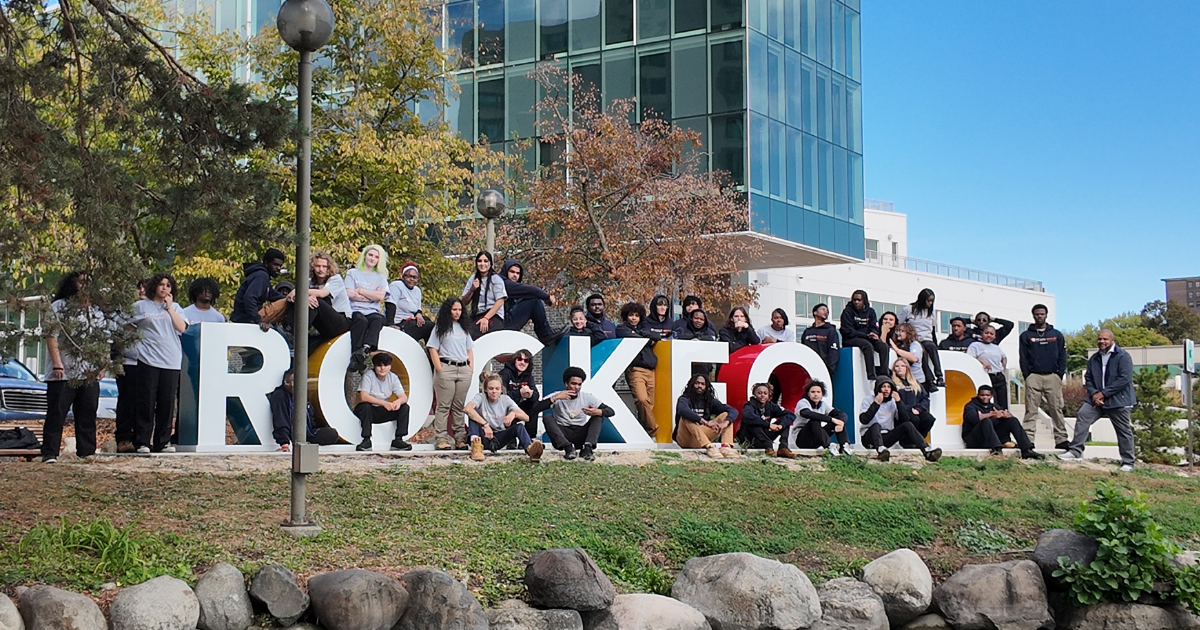
In order for a community to thrive, everybody has to have a pathway to economic self sufficiency. So our vision, and the role that we play and all the programs we design and implement: they're geared toward that purpose. To make sure that our most vulnerable populations, those that have fallen through the cracks for many years, have a team ready and more than willing to help them get on the pathway to become economically self-sufficient. That's our dream; that's our goal; that's what we work towards every day.